If you spend any time in digital art spaces today, it becomes obvious pretty quickly that furry fantasy is no longer a small corner of the internet. It is everywhere. In illustration feeds. In avatar design. In indie animation. In character commissions. What used to be a niche fandom has quietly grown into one of the most productive creative engines online. And the reason is simple. Furry fantasy permits people to create without copying reality.
From Small Fandom to Creative Training Ground
Early furry communities were small. Message boards. Convention meetups. Shared sketch threads. But when drawing tablets became affordable and art-sharing platforms appeared, those communities expanded fast. Artists posted characters daily. Fans commented. Others built stories around those designs. A feedback loop formed. Skills improved. Styles evolved. Entire visual languages were born inside those spaces before spilling outward into mainstream digital art.
Many professional character artists working today learned composition, anatomy, color theory, and storytelling by drawing furry characters for years before ever taking commercial jobs. The fandom became a training ground without anyone planning it that way.
Why Fantasy Freedom Unlocks Better Design
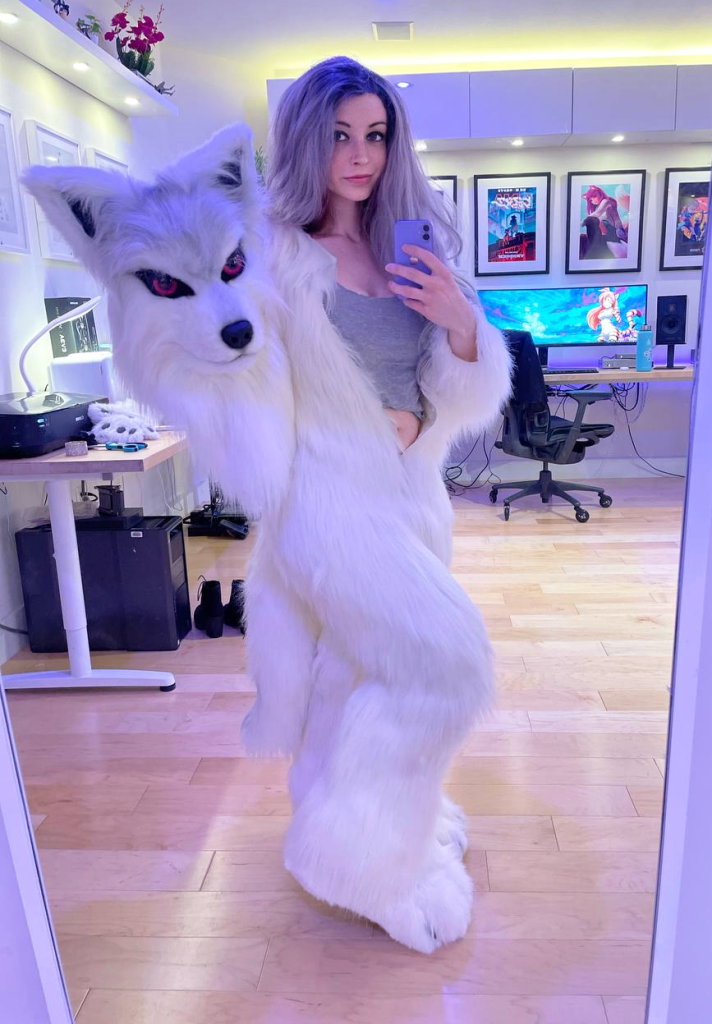
What makes furry fantasy so powerful creatively is the absence of realism as a requirement. A character can have striped fur that glows. Eyes that take up half the face. Limbs shaped for expression rather than anatomy textbooks. None of it has to exist in nature.
That freedom leads to designs that communicate emotion instantly. Playfulness. Confidence. Mystery. Warmth. Energy. All conveyed in silhouette and color alone.
This is also why fantasy-based character creation platforms, including spaces centered around furry porn, have grown so quickly. They offer tools for building original fictional characters rather than reusing stock bodies or real faces. The appeal is not realism. It is ownership of imagination.
Fictional Identity and Digital Self-Expression
Another quiet influence of furry fantasy is how it changed online identity. Many fans design personal avatars or fursonas that represent how they feel rather than how they physically look. Some use them for roleplay. Some for social profiles. Some simply enjoy having a personal symbol.
This practice has now spread far beyond furry communities. VTubers, gaming avatars, and animated profile identities all borrow from the same idea. Fictional self-expression has become normal internet behavior.
Community Driven Art Evolution
Community culture keeps this creative engine running. Artists trade critique. Fans commission work. Collaborative story universes emerge. Trends form organically. Color palettes shift. Eye styles evolve. Clothing motifs repeat. Soon, a recognizable style spreads across multiple platforms. None of this is centrally organized. It grows because people genuinely enjoy building worlds together.
Why Fictional Only Spaces Feel Safer
Another important piece is safety. Furry fantasy is fictional by design. No real identities. No real bodies. No borrowed likenesses. That keeps creative exploration comfortable.
People experiment with style, personality, emotion, and attraction without tying any of it to real individuals. That separation is part of why fantasy-based adult illustration spaces, including furry porn communities, continue to attract artists and fans who value both creativity and ethical distance from real-person imagery.
Tools That Keep Expanding Possibility
Technology keeps amplifying the effect. Better tablets. Faster rendering software. Easier sharing tools. AI-assisted sketch helpers. None of these replaces the artist. They simply shorten the path from idea to image.
More people participate. More styles appear. More experimentation happens. Visual culture moves faster because imagination is no longer limited by technical skill alone.
The Creative Lesson Furry Fantasy Taught the Internet
What started as a fandom about animal characters ended up teaching the internet a bigger lesson. Imagination scales. When people are allowed to create without copying reality, culture moves faster. Aesthetic norms shift. Visual trends change. New forms of storytelling emerge.
Furry fantasy did not become influential by accident. It grew because it solved a creative problem. How do you build art spaces where anyone can contribute, experiment, and belong?
The answer turned out to be simple. Let everything be fictional. Let imagination lead. Let the community do the rest.
And that is why furry fantasy is no longer just a subculture. It is one of the engines driving online creativity itself.