In a digital world dominated by speed, stimulation, and constant sensory input, it’s no surprise that visual content has become one of the most powerful forces shaping human behavior. What captures our eyes captures our attention, and what captures our attention shapes our habits. The rise of online visual media has created an environment where the brain’s instinctive love for immediate reward meets an endless stream of alluring imagery.
This article explores why visual stimulation online feels so potent, how the brain gets caught in the “instant gratification loop,” and why modern platforms, from social feeds to immersive formats like VR videos, amplify these responses more than ever.
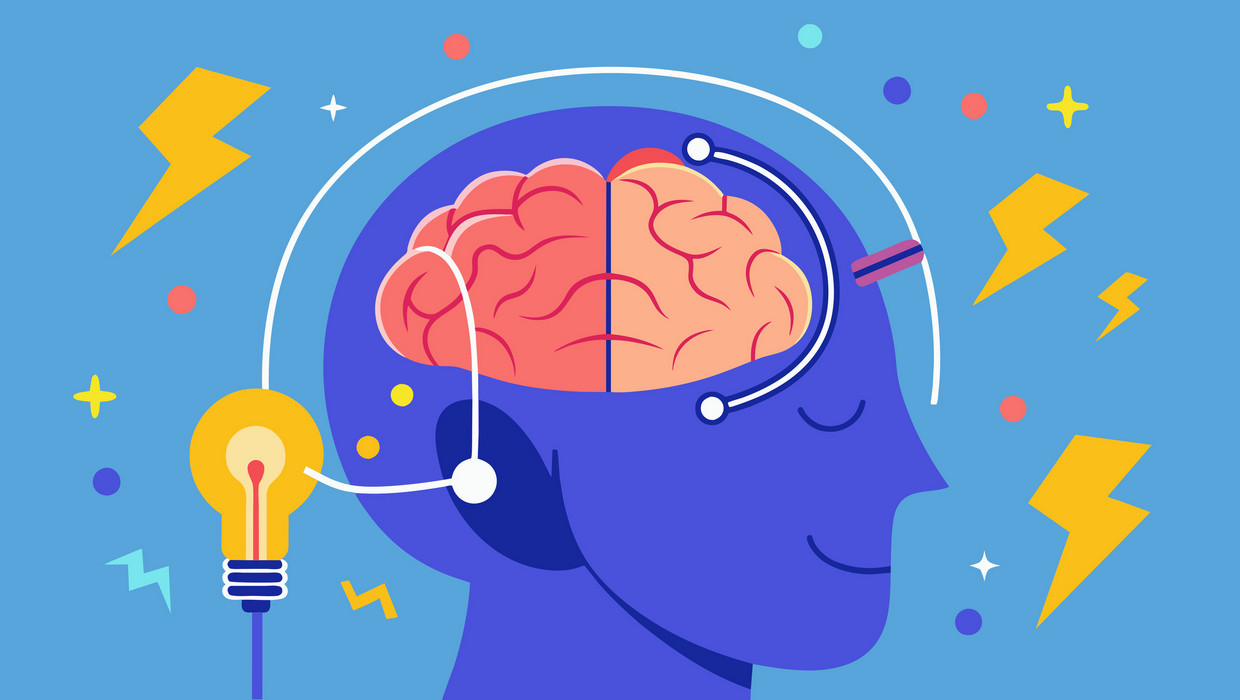
Why Visuals Hit the Brain So Hard
Humans are highly visual creatures. In fact, vision is the brain’s most dominant and energy-demanding sense. Neurologists and cognitive scientists often emphasize that the brain processes images far faster than words or sounds. Visual input is the brain’s shortcut, an efficient way to understand the environment without expending much effort.
The Survival Wiring Behind It
Long before the internet, humans relied on visual cues for survival: spotting danger, recognizing food, reading facial expressions, and navigating unfamiliar terrain. The brain evolved to prioritize immediate visual information because, historically, it kept us alive. That same wiring hasn’t changed. What has changed is the environment.
Online platforms now deliver imagery at a volume, speed, and intensity our ancestors could never have imagined. Infinite scrolls, autoplay videos, personalized feeds—these systems tap directly into the brain’s instinctive preference for rapid visual reward.
The Dopamine Feedback Loop
Dopamine, often misunderstood as the “pleasure chemical,” is more accurately the neurotransmitter of anticipation and motivation. When the brain encounters visually stimulating content, dopamine spikes in response to novelty, excitement, or perceived reward.
The pattern looks like this:
1. See something visually interesting.
2. Get a dopamine hit.
3. Feel motivated to keep seeking the next hit.
This is the essence of the gratification loop.
Unlike real-world experiences, digital visuals offer near-instant access to these dopamine bursts, with no waiting, no effort, and no slowdown. The loop feeds itself and quickly becomes a habit.
The Role of Modern Digital Design
While biology primes us to react strongly to visuals, technology amplifies that reaction. Online experiences aren’t just visually rich; they’re engineered for engagement.
Interfaces Designed for Quick Wins
From the seamless swipe to endless feeds, today’s interfaces keep presenting new stimuli at the exact pace the brain craves. As soon as dopamine begins to dip, the next visual arrives, a psychological rhythm perfectly tuned for sustained attention.
On-Demand Stimulation
The internet removes nearly all barriers between desire and reward. What once required patience, finding information, discovering something new, or exploring sensual curiosity, now takes seconds. This immediacy reinforces the gratification cycle because the brain quickly learns: If I want stimulation, I can have it now.
Immersion and Escapism
Immersive formats heighten this effect. Bold visuals, cinematic framing, and new technologies like VR dramatically intensify the brain’s sensory experience. Platforms offering immersive options, such as high-quality VR videos from sites like POVR, create an environment where the line between viewer and experience feels thinner than ever.
In immersive environments, the brain doesn’t just observe; it reacts as if it’s participating. This triggers emotional and neurological responses far stronger than flat content.
Why Visual Stimulation Feels So Rewarding Online
Beyond the biological and technological factors, psychological needs play a role in why visuals are so compelling.
Immediate Emotional Regulation
Visual content can shift mood almost instantly. Whether someone seeks excitement, comfort, distraction, or escape, imagery works faster than most other tools for emotional regulation. That speed reinforces the loop: if the stimulus works instantly once, the brain will seek it again.
Predictability and Control
Online visual consumption offers a sense of control that real life does not. Users choose exactly what they want, when they want it, and how long it lasts. Every click delivers a predictable outcome, a rare type of certainty in modern life.
No Social Friction
Human relationships involve complexity and vulnerability. Digital stimulation offers immediate reward without interpersonal pressure, misunderstanding, or risk. This emotional simplicity is especially appealing in high-stress periods.
When the Gratification Loop Becomes Automatic
Although visual stimulation online is not inherently harmful, problems arise when the loop becomes unconscious, when the habit forms faster than the user realizes.
Micro-Habits Built in Minutes
A few rewarding interactions can quickly form a neural pattern. Every replay, every click, every scroll strengthens the loop. Before long, the brain doesn’t just enjoy visual stimulation—it expects it.
Escalation of Novelty
Because dopamine thrives on novelty, the brain continuously seeks something slightly different, slightly more intense, or slightly more immersive than before. This is one of the reasons emerging formats like VR feel so naturally compelling; they offer new dimensions of stimulation that flat content cannot.
Shortened Attention Spans
Highly stimulating visuals condition the brain to crave excitement rapidly. When everyday tasks feel slower or less stimulating, attention becomes harder to sustain. The loop isn’t just about pleasure; it shifts how the brain allocates its focus.
Breaking or Balancing the Loop
The goal isn’t to eliminate visual stimulation, that would be nearly impossible and unnecessary. Instead, conscious use can help keep the gratification loop in balance.
Awareness Before Action: Recognizing why the content is appealing, excitement, curiosity, boredom, and loneliness gives viewers more agency over their habits.
Adding Friction: Simple adjustments like disabling autoplay, reducing instant notifications, or pausing before clicking help slow the loop and create intentionality.
Creating Alternative Rewards: Non-digital experiences that stimulate the brain, physical activity, engaging conversations, and creative work broaden the reward landscape so one type of stimulation doesn’t dominate.
A Powerful System in a Hypervisual Age
The human brain is built to love visuals. That evolutionary preference, paired with modern digital design, creates a potent and often irresistible loop of instant gratification. Online visual content works because it aligns perfectly with our neurological wiring—fast, rewarding, emotionally resonant, and always available.
By understanding how the loop forms and why it feels so compelling, individuals can make more intentional choices about how they engage with online content. The goal is not abstinence but awareness, recognizing the brain’s natural attraction to stimulation while navigating a digital world designed to deliver it at full speed.